
Less Carbon.
More Arbon.
Take the next step in climate action. Reduce emissions, remove CO₂, and create measurable impact
— starting today.
The Answer is Arbon.
Arbon Earth is a marine-based Carbon Dioxide Removal (CDR) company that removes CO₂ from the atmosphere by cultivating and sequestering macroalgae in the deep ocean. Read more.
Our solution is built on a 3-billion-year-old invention: photosynthesis. We offer companies a low-emission, ocean-based Carbon Capture and Storage subscription.

How big is the Impact?
The Arbon Calculator
Enter the number of employees to see the CO₂ footprint and monthly subscription to get in carbon balance (based on the average emissions for service companies).
Monthly Subscription: 2 Tonnes
This carbon sequestration is a natural method and can be massively scaled up. The world's oceans have already handled biomass falls to the seabed for millions of years.
How big impact we make simply depends on how many companies are willing to contribute. With our verification system, and third party verifiers, high demanding customers can be confident.
How it works
-
![]()
Nature-Based Carbon Removal
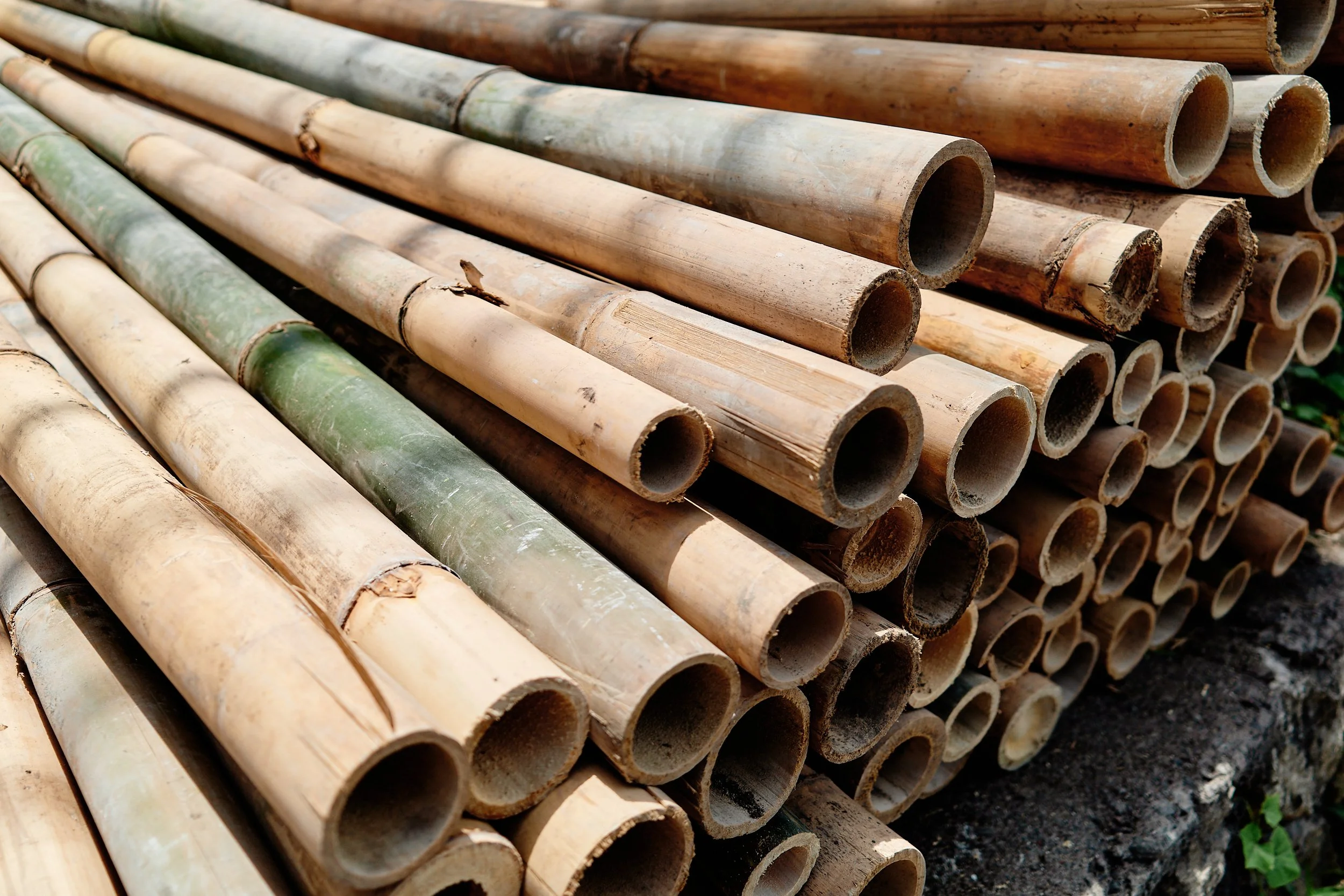
Arbon Earth removes CO₂ from the atmosphere using fast-growing macroalgae and bamboo - two of the most efficient natural carbon absorbers available. Through photosynthesis, the biomass captures CO₂ as it grows.
-
![]()
OceanPods
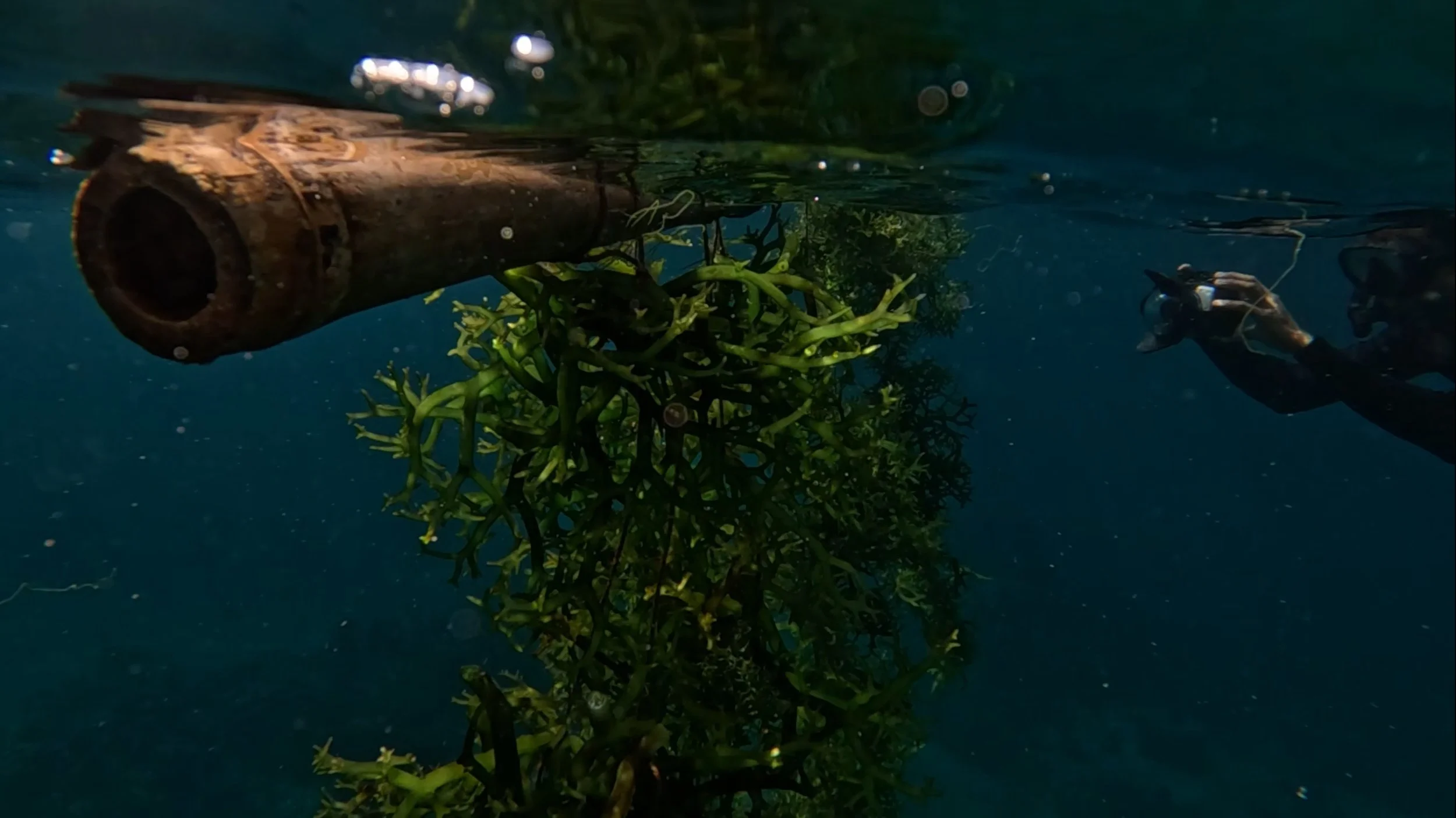
OceanPods are built from bamboo and macroalgae and deployed offshore. As the algae grow, they absorb CO₂ from the atmosphere. Once fully grown, the biomass is lowered to the deep seabed.
-
![]()
OceanBaskets
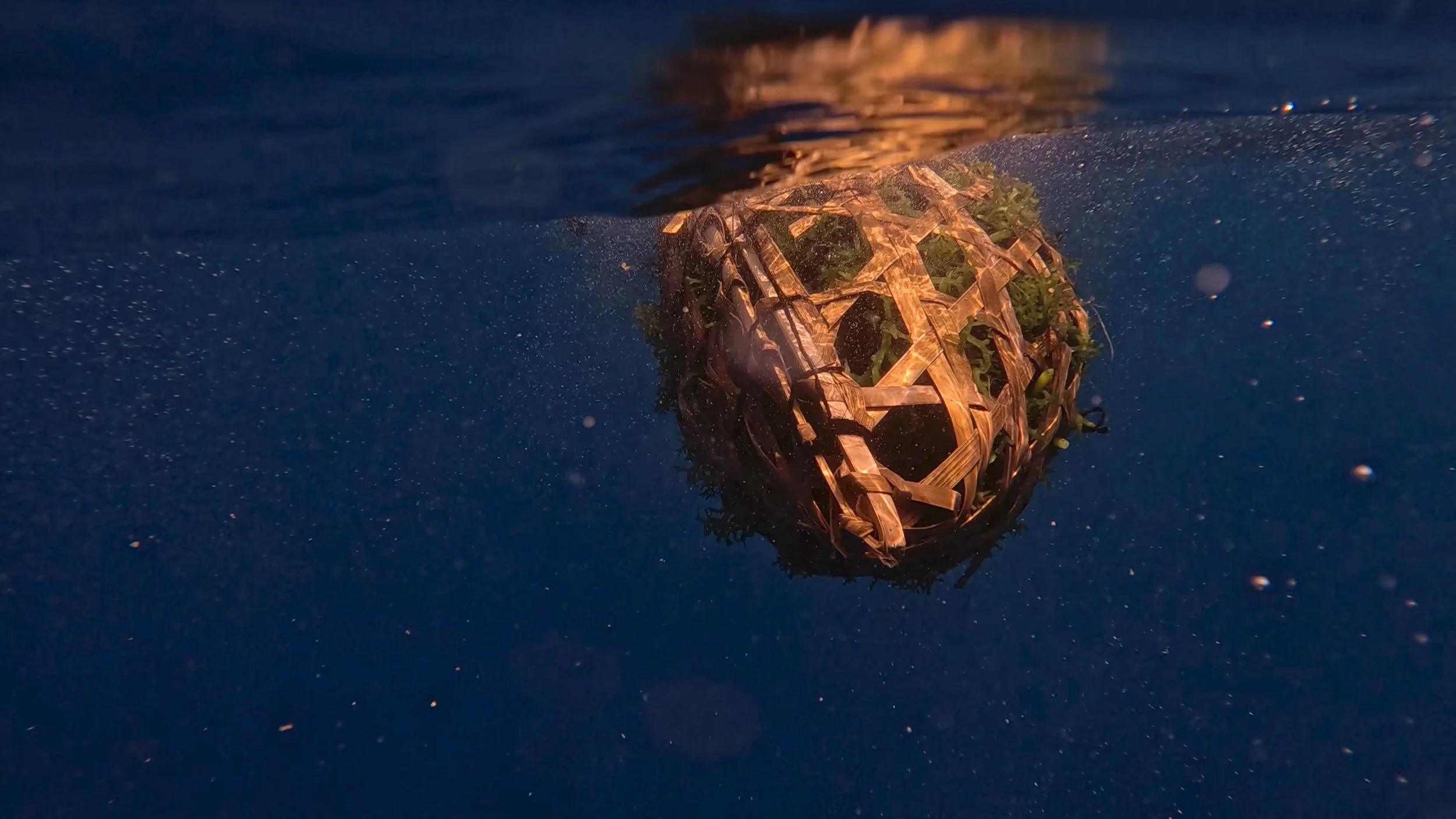
With OceanBaskets, macroalgae are grown near the coast, where conditions allow efficient cultivation. When mature, the biomass is placed in bamboo baskets and lowered into deep ocean waters.
-
![]()
Long-Term Carbon Storage
Both OceanPods and OceanBaskets ultimately reach the deep seabed, where the biomass gradually breaks down. Most of the carbon becomes part of the ocean carbon cycle as dissolved inorganic carbon (DIC) and is isolated from the atmosphere for centuries to millennia, with some also forming new sediment layers.







Natalie Bäck
Managing Partner, WERKS Advokater
“We believe in the innovative – yet simple – idea of Arbon Earth to remove carbon from the atmosphere and binding it to the seabed.” - Read full story
Key Questions
Below is a collection of frequently asked questions and their answers.
-
You receive a
certificate about your tonnes.
a communication kit.
information when the CO₂ tonnes you purchased are removed.
-
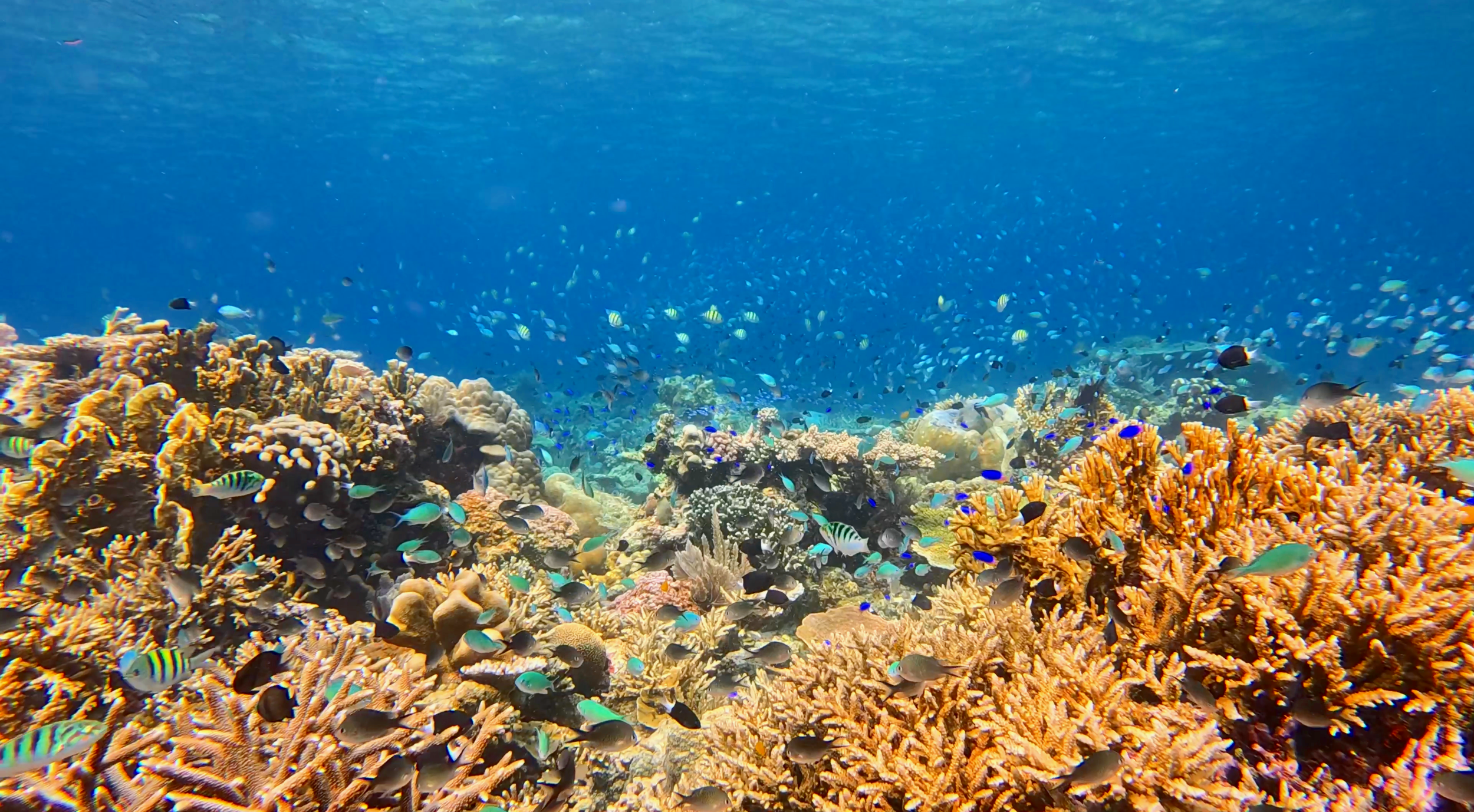
Due to global warming and increased temperatures over 80% of the coral reefs have recently been bleached which can lead to it being destroyed.
See more here from Swedish National Television.
-
CDR: Carbon Dioxide Removal. Also called Carbon Capture. In Swedish: ”koldioxid-infångning”.
CO2: Carbon Dioxide
Net Zero: The term is used to signify that a person or organization removes more C02 than its activities emits. In Swedish: ”Nettonoll”. To be able to claim to be Net Zero, only climate compensation projects may be used where the purchase of carbon dioxide credits means that greenhouse gases are removed from the atmosphere and stored for at least 100 years.
Carbon Neutral: This term is similar to Net Zero, but is weaker in the sense that it also allows one to credit projects that only prevent greenhouse gas emissions.
Carbon Negative: When carbon removals exceed emissions for a person or organization.
Additionality: Refers to how much of the carbon removal of a particular climate project that would have occurred anyway, had the project not taken place.
Permanence: Refers to how long carbon, that has been removed from the atmosphere by some climate project, will remain removed from the atmosphere.
-
Awesome that you are starting! Try to automate as much as possible of your data collection so as much of the sustainability budget as possible can go to CDR.
You will report the emissions and the captures separately.
Please contact us to learn more or to receive an offer.
-
The activities of a generic person in the western world generates emissions around 8 tonnes yearly.
It is common for companies to only compensate for emissions related to their employees work activities.
WWF footprint calculator, Golow and Climate Hero have tools to see status of consumers and companies. And Wellfish and Goclimate have tools to automatically get your emissions based on your book keeping.
The average emissions for companies without production was 0,2 tons per employee per month according to a study by Removement in Stockholm, Sweden.
-
”Blue carbon” is the carbon dioxide that is captured by the world's oceans and coastal ecosystems, and thus does not stay in the atmosphere and contributes to the greenhouse effect.
This carbon is stored in the bottom sediment, or in the water column as DIC (dissolved inorganic carbon).
It is the aim of Arbon Earth to increase the amount of carbon stored in these habitats.
-
Permanence is very high, with effective storage timescales ranging from centuries to millennia.
The method transfers carbon from the atmosphere into the deep ocean (>1,000 m), where it becomes part of the large dissolved inorganic carbon (DIC) reservoir. Deep-ocean stratification and slow vertical mixing strongly limit re-exposure to the atmosphere, meaning that the return of this carbon is controlled by the ocean’s overturning circulation, which operates on timescales of approximately 700–2,000 years in the major ocean basins. As documented in the scientific literature and summarized in IPCC AR6, carbon transferred to the deep ocean is therefore isolated from the atmosphere for centuries to millennia.
A smaller fraction of the exported biomass (typically <10%) escapes remineralization and becomes buried in seafloor sediments, where it is stored on geological timescales. While sediment burial represents a minor share of the total carbon flux, it provides effectively permanent storage.
-
The additionality is very high. This storage of carbon that we construct wouldn’t have happened otherwise.
-
We provide new income possibilities for coastal communities.
We source material locally whenever possible.
-
Sinking algae to the deep ocean represents a managed enhancement of the natural biological pump. At appropriate scales, ecological impacts are expected to be limited and localized. Surface-ocean effects are minimized through conservative biomass removal, while deep-ocean ecosystems are adapted to low but variable organic carbon inputs. The biomass that reaches the seafloor resembles natural marine snow deposition. Because deployment is spatially distributed over large areas and designed to remain within natural variability of organic carbon fluxes, localized oxygen depletion or benthic disturbance is not expected.
-
Tree planting has fallen out of favor as a CDR method in recent years due to the complexity of such operations. To this end, we have chosen not to be involved in tree planting activities.
-
While it is good to take a holistic perspective, when the EU lobby pushes that companies need to report on 1100 data points, it creates massive administration.
So we hear many sustainability managers saying most of their climate budgets are consumed by administration and climate consultants, so they have little remaining resources for emission reductions or CDR.
But of course the consulting business is riding nice on the wave of incoming business.
Best for the climate would be to focus on two values:
Company emissions including scope 3, and
CDR purchased (tons of CO2)
Then there would be a great effective push forward for many companies.
But we all hope that administration can be automated, so companies have resources left to get some real climate improvements going.
-
We always work with algae species that are local to the production site, as well as bamboo.
-
Dried bamboo consists of around 50% carbon.
Dried macroalgae consist of around 28% carbon.
-
Yes. Our methods are designed to have no negative impact on sea vessels. The OceanBaskets are not visible at the surface at all, and the OceanPods are deployed offshore, well away from shipping routes and active fishing areas.
-
We provide local jobs
We help increase biodiversity in Indonesia as we restore areas where algae can grow. This benefits local sea life.
We help mitigate the climate crisis, which benefits everyone,
-
Item description